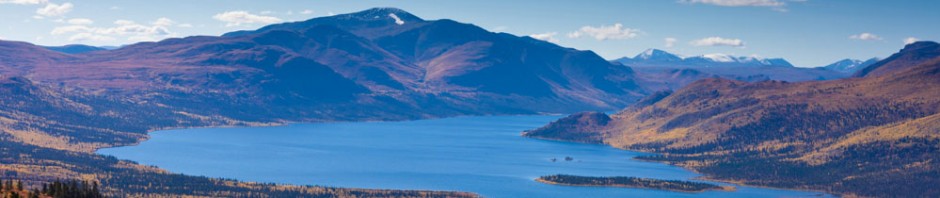
 The Yukon Territory, a land of rugged wilderness, rich history, and vibrant First Nations culture, offers an unforgettable experience for tourists seeking adventure and cultural immersion. With its vast landscapes, untamed rivers, and deep Indigenous heritage, the Yukon is a destination where nature and tradition intertwine. Following are some of the top activities for tourists, with a special focus on experiences in First Nations areas, particularly around Whitehorse, Carcross, and Dawson City.
Cultural Experiences in First Nations Areas
The Yukon is home to 14 First Nations, each with unique stories, traditions, and cultural contributions. Exploring their heritage is a must for any visitor, and several cultural centers and events provide immersive opportunities.
Kwanlin Dün Cultural Centre (Whitehorse)
Located on the banks of the Yukon River, the Kwanlin Dün Cultural Centre is a striking cedar-clad building that serves as a hub for the Kwanlin Dün First Nation. Visitors can explore interactive exhibits, participate in workshops, and join guided tours to learn about the nation’s art, history, and traditions. The center often hosts events featuring traditional music, dance, and storytelling, offering a deep dive into Indigenous culture. Nearby, the MacBride Museum of Yukon History features a permanent exhibit of First Nations beadwork, tools, and artifacts, complemented by a hand-carved healing totem topped with a Raven, visible just up the street.
Dänojà Zho Cultural Centre (Dawson City)
In Dawson City, the Dänojà Zho Cultural Centre is a gateway to the Tr’ondëk Hwëch’in people’s heritage. This modern facility offers exhibits on traditional practices, authentic gold rush-era film reels, and cultural activities year-round. Visitors can engage with the community through storytelling sessions or workshops, gaining insight into the First Nations’ deep connection to the land. Entry to the center is free, making it an accessible way to explore Indigenous history.
Teslin Tlingit Heritage Centre (Teslin)
Situated along the Alaska Highway, the Teslin Tlingit Heritage Centre showcases the Tlingit people’s culture through ceremonial artifacts, drums, and clothing. The museum’s theater screens films about Tlingit traditions, and a full-scale diorama displays hunting and trapping items. This center is ideal for those traveling through the Yukon’s interior, offering a glimpse into the Tlingit’s storied past.
Carcross and First Nations Art
Carcross, a small town two hours south of Whitehorse, is a vibrant hub celebrating First Nations culture. Visitors can witness the work of artisans like Keith Wolfe Smarc, a First Nations chief who carves totem poles symbolizing the area’s roots and history. The town’s colorful buildings and shops highlight Indigenous craftsmanship, with opportunities to purchase handmade items like carvings and jewelry. The nearby Matthew Watson General Store, the oldest in the Yukon, offers First Nations handicrafts alongside historic goods, creating a unique shopping experience.
däka Cultural Festival and Moosehide Gathering
For those visiting in summer, the Adäka Cultural Festival in Whitehorse (held annually in late June or early July) is a vibrant celebration of Yukon’s Indigenous cultures, featuring artists, performers, and cultural ambassadors from across the region. Expect traditional music, dance, food, and ceremonies. The Moosehide Gathering, held every two years near Dawson City, offers a profound experience with traditional Hän dancing, drumming, storytelling, and feasting. Both events provide an authentic way to connect with First Nations communities.
Outdoor Adventures with First Nations Context
The Yukon’s vast wilderness is inseparable from its Indigenous heritage, as First Nations have lived in harmony with the land for millennia. Many outdoor activities offer opportunities to explore this connection.
Tombstone Territorial Park
Located in central Yukon, Tombstone Territorial Park is the traditional home of the Tr’ondëk Hwëch’in nation. Its craggy peaks, permafrost-covered landscapes, and abundant wildlife (caribou, bears, wolves) make it a hiker’s paradise. The park is dotted with over 70 First Nations ecological sites, including hunting blinds, stone tools, and cemeteries, offering a tangible link to Indigenous history. Visit the Tombstone Interpretive Centre for trail maps and insights into the area’s cultural significance. Summer is ideal for hiking and camping under 24-hour sunlight.
Yukon River Canoeing
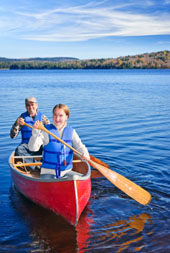
Canoeing on the Yukon River, particularly near Whitehorse, is a serene way to experience the territory’s beauty. The river has been a vital lifeline for First Nations for centuries. Guided tours often share stories of Indigenous fish camps, such as the historic site at Canyon City near Miles Canyon, used long before the Klondike Gold Rush. Multi-day canoe trips allow travelers to paddle for days, camping along the riverbanks while soaking in the tranquility of the wilderness.
Kluane National Park and Klukshu Village
Kluane National Park, a UNESCO World Heritage Site, is home to Canada’s highest peak, Mount Logan, and the largest non-polar ice fields. The park has been a homeland for the Southern Tutchone First Nations for thousands of years. A full-day tour to Kluane includes a visit to the Indigenous Klukshu Village and the Da Kų Cultural Centre in Haines Junction, where you can learn about the Champagne and Aishihik First Nations through exhibits and workshops. For a breathtaking perspective, take a scenic flight over the park’s glaciers and snow-capped mountains, landing on a glacier for an immersive experience.
Takhini Hot Springs
Just 18 miles from Whitehorse, the Takhini Hot Springs offer a relaxing soak in natural mineral pools used by First Nations for centuries. With water temperatures ranging from 97°F to 108°F, these springs provide a sulfur-free retreat surrounded by forested trails perfect for hiking or cross-country skiing. The springs’ cultural significance adds depth to the experience, making it a perfect blend of relaxation and heritage.
Other Must-Do Activities
Beyond First Nations-focused experiences, the Yukon offers a range of activities that highlight its natural beauty and gold rush history.
Yukon Wildlife Preserve
Located 25 minutes from Whitehorse, the Yukon Wildlife Preserve is a 700-acre sanctuary for Arctic and boreal animals like moose, lynx, elk, and bison. Visitors can explore the three-mile viewing loop on foot, by ski, snowshoe, or guided bus, learning about conservation efforts and spotting wildlife in their natural habitats. This is a must-visit for animal lovers.
Emerald Lake and Scenic Drives
Known as the “most photographed lake in the Yukon,” Emerald Lake’s vibrant green waters, caused by sunlight reflecting off calcium carbonate, make it a stunning stop along the Klondike Highway. The Yukon’s open roads, like the South Klondike Highway to Carcross or the Dempster Highway, offer epic drives with breathtaking views and minimal traffic, perfect for road trippers seeking solitude.
Dawson City and Gold Rush History
Dawson City, a historic gold rush town, offers a step back in time with its wooden boardwalks and frontier-style buildings. Visit the Dawson City Museum to explore First Nations history alongside gold rush exhibits, or try gold panning at Caribou Crossing Trading Post. For a quirky experience, join the Sourtoe Cocktail Club at the Sourdough Saloon, where you can sip a drink garnished with a preserved human toe—a Yukon tradition since the 1970s.
Northern Lights Viewing
The Yukon is one of the world’s best places to witness the aurora borealis, especially in winter. Head to a remote lodge or join a guided tour with stargazing experts for the best views. Whitehorse serves as an excellent base, with minimal light pollution and frequent aurora sightings. Bring a high-quality camera to capture the mesmerizing lights.
Practical Tips for Visitors
Best Time to Visit: Summer (June to August) offers 24-hour sunlight, ideal for hiking, canoeing, and cultural festivals like the Adäka Cultural Festival. Winter (November to March) is perfect for northern lights viewing, dog sledding, and snow-based activities.
Transportation: Renting a car in Whitehorse is recommended for flexibility, especially for gravel roads like the Dempster Highway. Major companies like Budget and Driving Force offer suitable vehicles. For those without a car, Husky Bus connects Whitehorse and Dawson City three times a week.
Cultural Sensitivity: When visiting First Nations sites or events, respect local customs and seek permission before photographing people or sacred sites. Guided tours by Indigenous operators provide valuable context and ensure respectful engagement.
Preparation: For outdoor activities, pack for variable weather, especially in remote areas like Tombstone Territorial Park, where there’s no mobile signal. Permits are required for camping in government-approved sites.